Why I’m Building My Own Flat‑File PHP Blogging Platform
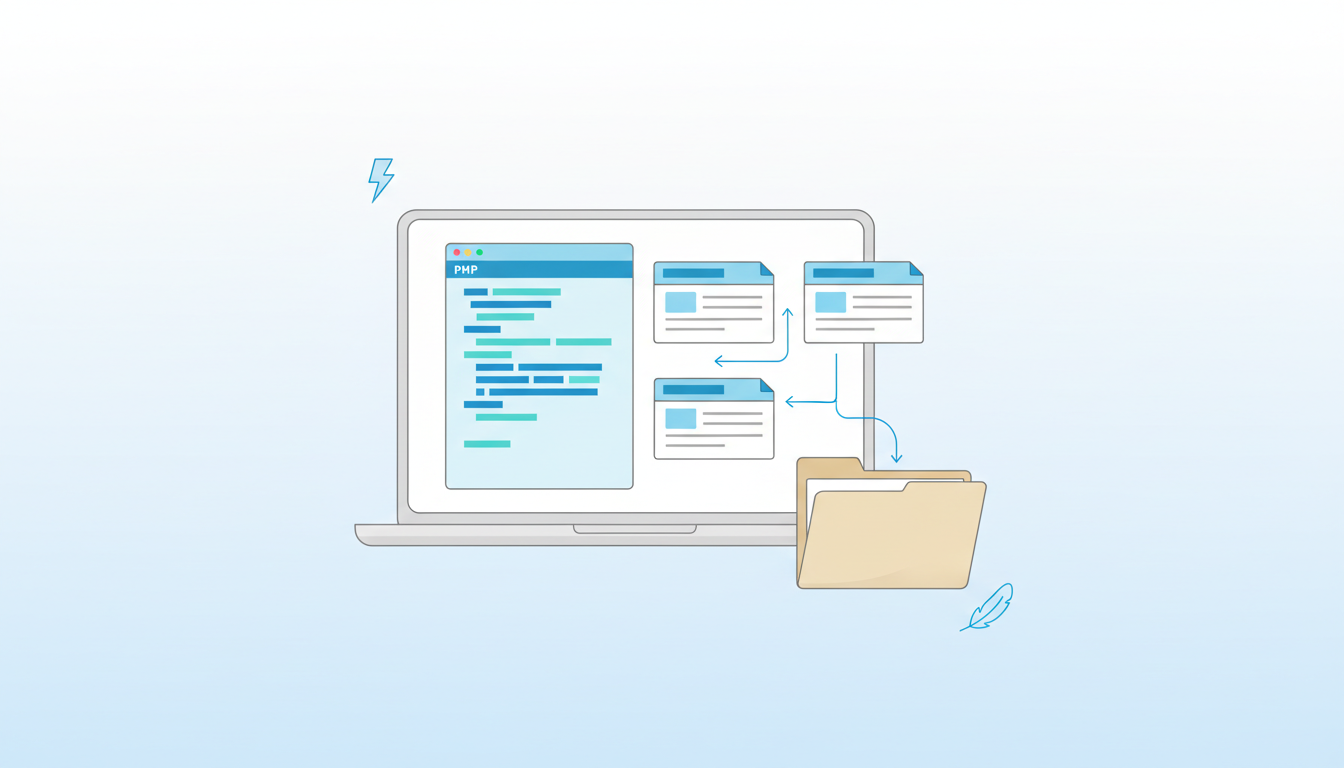
Creating a custom blogging platform using a flat-file PHP system is a deliberate choice that prioritizes speed, security, and simplicity. Unlike traditional content management systems that rely on heavy databases like MySQL, a flat-file system stores content in simple text or Markdown files. This architecture significantly reduces server overhead, allowing pages to load almost instantaneously while making the entire site much easier to back up or migrate—you simply move the files.
From a development perspective, this approach offers unparalleled control and security. By eliminating the database, you remove the most common vector for SQL injection attacks and other vulnerabilities associated with dynamic data retrieval. It allows for a "version-controlled" workflow where blog posts can be managed through Git, providing a clear history of changes and the ability to write offline using any preferred text editor.
Ultimately, building a flat-file system in PHP is about returning to the essentials of the web. It avoids the "bloat" of modern frameworks and plugins, ensuring that the focus remains on the content rather than the maintenance of the infrastructure. This results in a lightweight, portable, and highly resilient platform that is as easy to maintain as it is fast for the end user.
